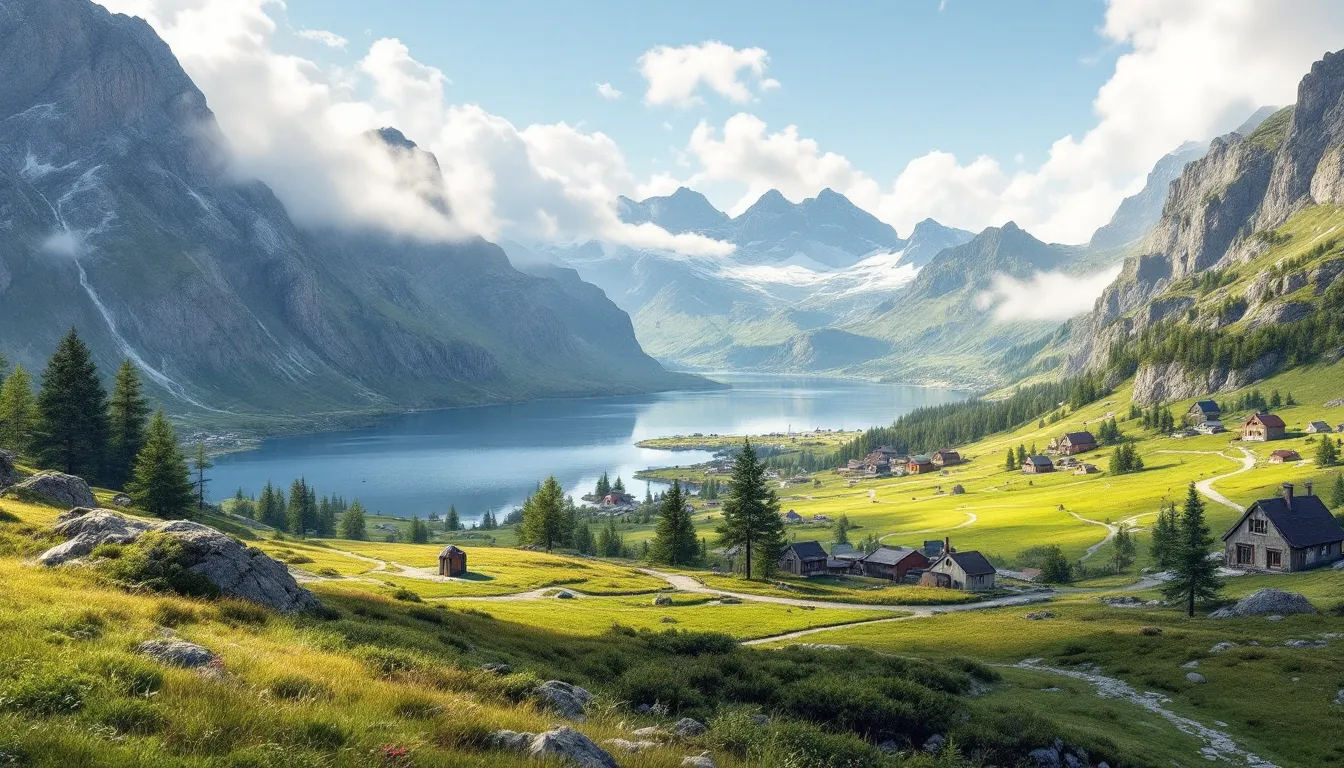
Skyrim’s cities are more than fast-travel markers on your map. They’re living, breathing hubs where you’ll forge alliances, buy property, join factions, and make choices that ripple across the entire province. Whether you’re hunting for the best vendors, tracking down questlines, or just need to know which hold capital won’t try to execute you on sight, understanding the layout of Skyrim’s settlements is essential for any Dragonborn.
This guide breaks down every major hold capital, the smaller towns worth your time, and the practical details that matter, player homes, essential services, faction headquarters, and how the Civil War reshapes these cities depending on your allegiance. Let’s jump into the heart of Tamriel’s frozen north.
Table of Contents
ToggleKey Takeaways
- Skyrim cities serve as essential hubs for faction questlines, property ownership, and alliances, with each of the nine hold capitals offering unique resources, vendors, and strategic advantages.
- Whiterun functions as the central fast-travel hub in Skyrim due to its location on the central plains, making it ideal for early-game players seeking a reliable home base with affordable housing and comprehensive services.
- Player home choices depend on playstyle—Breezehome for affordability, Honeyside for Thieves Guild access, Hjerim for storage, and Proudspire Manor for prestige, with Hearthfire DLC offering customizable alternatives.
- Major faction questlines are tied to specific Skyrim cities: the Companions in Whiterun, Thieves Guild in Riften, College of Winterhold for mages, and faction-specific homes serve as strategic bases for character progression.
- The Civil War reshapes hold capitals by changing rulers and guard allegiance, affecting dialog and NPC reactions, though player home access and core services remain largely unchanged regardless of faction control.
- Efficient navigation through Skyrim cities relies on understanding the carriage system, optimizing fast-travel hubs, and recognizing that each city’s unique architecture and geography—from Markarth’s cliffsides to Solitude’s stone arch—reflect their distinct political and cultural roles.
Understanding Skyrim’s City Structure and Hold System
Skyrim divides its territory into nine holds, each governed from a major city. These hold capitals serve as administrative centers where jarls rule, guards patrol, and political power shifts based on your actions in the Civil War questline.
Each hold capital offers unique architecture, culture, and resources. The holds themselves span diverse terrain, from the volcanic tundra of Eastmarch to the dense pine forests of Falkreath, and the cities reflect these environmental differences. Whiterun sits in the central plains, Markarth clings to cliffsides in the Reach, and Winterhold crumbles on the northern coast.
Beyond the nine capitals, Skyrim features smaller settlements like Riverwood, Ivarstead, and Dragon Bridge. These towns lack the political weight of hold capitals but often serve as quest hubs, crafting stations, or convenient rest stops between major locations. Understanding this hierarchy helps you plan routes, manage inventory, and locate specific NPCs or services without wasting time.
The Nine Major Hold Capitals of Skyrim
Whiterun: The Central Hub and Trading Heart
Whiterun dominates the central plains and serves as most players’ first major city after Helgen. Jarl Balgruuf the Greater rules from Dragonsreach, the massive mead hall perched above the city.
Whiterun’s location makes it the best fast-travel hub in Skyrim. You’re never more than a few loading screens from any other hold capital. The city hosts Warmaiden’s for weapon and armor needs, the Bannered Mare for rest and rumors, and Arcadia’s Cauldron for alchemy supplies. Belethor’s General Goods rounds out the essentials, though his inventory rotates randomly.
The Companions guild hall, Jorrvaskr, sits in the Wind District. This is where you’ll start the Companions questline, eventually gaining access to lycanthropy and some of the best two-handed weapons in the game. Whiterun also features Breezehome, the cheapest purchasable home at 5,000 gold (plus upgrades), making it ideal for early-game storage.
Solitude: The Imperial Capital of the North
Solitude sprawls across a massive stone arch in Haafingar Hold, serving as the seat of Imperial power in Skyrim. Jarl Elisif the Fair rules here, though General Tullius calls the shots from Castle Dour.
This is the most cosmopolitan city in Skyrim, with cobbled streets, a functional economy, and the Bards College. Solitude offers top-tier vendors: Radiant Raiment for enchanted apparel, Bits and Pieces for general goods, and Angeline’s Aromatics for alchemical ingredients. The Winking Skeever provides rooms and serves as a quest hub for various side activities.
Proudspire Manor is Skyrim’s most expensive home at 25,000 gold, but it’s also the largest and most prestigious. The city hosts the East Empire Company warehouse, which ties into the Thieves Guild questline. If you side with the Imperials in the Civil War, Solitude remains your main hub for Legion activities.
Windhelm: Ancient Seat of the Stormcloaks
Windhelm is the oldest city in Skyrim, founded by Ysgramor himself. Ulfric Stormcloak rules from the Palace of the Kings, and the city’s stone construction reflects its ancient Nordic heritage.
The Gray Quarter houses Dunmer refugees in squalid conditions, reflecting the city’s deep-rooted racism and political tension. This makes Windhelm a morally complex location compared to more sanitized hold capitals. The city’s vendors are functional but not exceptional: Sadri’s Used Wares, The White Phial (alchemy), and the Candlehearth Hall inn.
Hjerim is the player home here, costing 12,000 gold. You can’t purchase it until completing the Blood on the Ice quest, one of Skyrim’s more elaborate murder mysteries. Windhelm also serves as the gateway to Eastmarch’s volcanic tundra and sits close to Kynesgrove and other dragon burial sites. Players interested in character optimization often base themselves here for Stormcloak allegiance benefits.
Markarth: The Stone City of the Reach
Markarth is built into the cliffside, featuring Dwemer architecture and constant waterfalls flowing through the city. Jarl Igmund rules, but the real power lies with the Silver-Blood family, who control the city’s extensive mining operations.
The city has a dark underbelly. The Forsworn Conspiracy questline reveals corruption, murder, and political manipulation that runs deep. Markarth’s layout is confusing for new players, everything is vertical, with staircases connecting different levels carved into the rock.
Vendors include Arnleif and Sons Trading Company, the Hag’s Cure (alchemy), and Ghorza gra-Bagol for smithing needs. Understone Keep houses the jarl and serves as a dungeon entrance to Nchuand-Zel, a sprawling Dwemer ruin. Vlindrel Hall costs 8,000 gold and offers a unique stone aesthetic, though its layout is less practical than other homes.
Riften: The Shadowy Thieves’ Paradise
Riften sits on the shores of Lake Honrich in the Rift, controlled by Jarl Laila Law-Giver, who’s really just a puppet for Maven Black-Briar and the Thieves Guild.
The city’s wooden construction and canal system give it a distinct medieval port feel. Crime is rampant, and you’ll get shaken down by guards for bribes regularly. The Ratway beneath the city connects to the Ragged Flagon, headquarters for the Thieves Guild. This is where you’ll spend dozens of hours if you pursue that questline to completion.
Riften’s vendors are decent: The Pawned Prawn for general goods, Elgrim’s Elixirs for alchemy, and the Bee and Barb inn. Honeyside costs 8,000 gold and features the only player home with direct dock access, making it convenient for organizing loot. The city also hosts the Temple of Mara, where you can get married after completing the Book of Love quest.
Morthal: The Haunted Swamp Settlement
Morthal is the smallest and most isolated hold capital, nestled in Hjaalmarch’s foggy marshlands. Jarl Idgrod Ravencrone rules with an eerie, prophetic demeanor that matches the city’s unsettling atmosphere.
There’s not much here, a few houses, Moorside Inn, and Thaumaturgist’s Hut for alchemy supplies. The main questline of interest is Laid to Rest, involving a vampire and a burned-down house. Morthal feels more like a large village than a proper city.
Highmoon Hall is the jarl’s longhouse, but there’s no purchasable player home in Morthal. The city serves primarily as a gateway to Labyrinthian and other swamp-based dungeons. Most players fast-travel through without lingering unless they’re completionists.
Falkreath: Gateway to the Southern Forests
Falkreath sits in the dense pine forests near Skyrim’s southern border with Cyrodiil. Jarl Siddgeir (or Dengeir, depending on Civil War outcomes) rules from Jarl’s Longhouse.
The city is small but atmospheric, featuring Skyrim’s largest graveyard and a melancholic, quiet tone. Dead Man’s Drink serves as the local inn, and Gray Pine Goods offers basic supplies. The Lod’s house provides a simple blacksmith.
Lakeview Manor (part of the Hearthfire DLC) is buildable near Falkreath, offering one of three customizable homesteads. The city also ties into the Dark Brotherhood questline tangentially through nearby locations. Falkreath’s main appeal is its strategic location for players exploring the southern regions and its proximity to multiple dragon lairs.
Dawnstar: The Northern Mining Town
Dawnstar clings to the northern coast, dominated by mining operations and harsh weather. Jarl Skald the Elder rules, though the city feels perpetually besieged by nightmares, literally, thanks to the Waking Nightmare quest involving the Nightcaller Temple.
The city layout is simple: a few buildings clustered around The White Hall (jarl’s residence) and the harbor. Iron-Breaker Mine provides work for locals, and Rustleif’s offers smithing services. The Windpeak Inn serves travelers, though the innkeeper complains about poor business.
Heljarchen Hall (Hearthfire DLC) is the buildable home near Dawnstar. The city’s real claim to fame is the invisible chest exploit near the Khajiit caravan, which contains the full inventory of Ahkari’s merchant stock. Players hunting for powerful gear or rare items often exploit this chest repeatedly.
Winterhold: The Fallen City of Mages
Winterhold is a shadow of its former glory. The Great Collapse destroyed most of the city, leaving only a handful of buildings clinging to icy cliffs. Jarl Korir rules from the Jarl’s Longhouse, bitter about the city’s decline and blaming the College of Winterhold.
The College of Winterhold dominates the city both physically and culturally. This is the mage faction headquarters, offering extensive questlines, trainers for all magic schools, and access to powerful spells and enchantments. The college sits on a separate outcropping, connected by a narrow bridge.
There’s almost nothing else in Winterhold, The Frozen Hearth inn, Birna’s Oddments (a nearly useless general goods store), and a few NPC homes. No purchasable player home exists here. Winterhold serves one purpose: College of Winterhold access. If you’re not pursuing magic, you’ll rarely visit.
Smaller Settlements and Towns Worth Visiting
Riverwood: The Peaceful Starting Village
Riverwood is where most players land after escaping Helgen. This small lumber village sits along the White River, offering your first taste of Skyrim’s crafting and trading systems.
Alvor’s smithy (if you escaped with Hadvar) or Hod’s mill provide early crafting access. Riverwood Trader run by Lucan Valerius kicks off the Golden Claw quest, pushing you toward Bleak Falls Barrow. The Sleeping Giant Inn offers rest and the starting point for joining the Dark Brotherhood.
Riverwood has no purchasable home, but its peaceful atmosphere and central location between Whiterun and Helgen make it a nostalgic stop for many players. The village also features free crafting stations and a convenient fast-travel point.
Ivarstead: Mountain Pass to High Hrothgar
Ivarstead sits at the base of the Throat of the World, serving as the last settlement before climbing the 7,000 steps to High Hrothgar. The village is tiny, just a handful of buildings along the road.
Vilemyr Inn provides rest, and Temba Wide-Arm runs the lumber mill. The Klimmek’s Supplies quest starts here, asking you to deliver goods partway up the mountain. Ivarstead also connects to Shroud Hearth Barrow, a nearby dungeon with a simple ghost-clearing quest.
The village serves primarily as a waypoint for main questline progression, but its scenic location and proximity to several dragon lairs make it a convenient rest stop for mountain exploration.
Dragon Bridge and Other Minor Settlements
Dragon Bridge spans the Karth River in Haafingar Hold, notable for its massive namesake bridge and proximity to Solitude. The Four Shields Tavern offers rooms, and the village features a lumber mill and a few homes. A Penitus Oculatus outpost sits nearby, relevant to Dark Brotherhood questlines.
Other minor settlements include:
- Rorikstead: Small farming village in Whiterun Hold with a dark secret involving Daedric worship
- Karthwasten: Mining village in the Reach, disputed between two NPCs in a simple quest
- Shor’s Stone: Remote mining settlement in the Rift, featuring a simple fetch quest
- Kynesgrove: Tiny village with an inn, memorable as the site of Sahloknir’s resurrection during the main quest
These settlements rarely offer essential services, but they provide atmosphere, occasional quests, and convenient rest points during exploration. Many feature dangerous creatures nearby that make traveling between them risky at lower levels.
Best Cities for Player Homes and Property Ownership
Choosing the right player home depends on your playstyle, questline focus, and aesthetic preferences. Each purchasable home has distinct advantages.
Breezehome (Whiterun, 5,000 gold) is the go-to starter home. It’s cheap, centrally located, and available early. The downside? No enchanting table without mods, and storage is limited even with upgrades. It’s perfect for players who want quick access to Whiterun’s vendors and crafting stations.
Honeyside (Riften, 8,000 gold) offers the best location for Thieves Guild members. The dock access is unique, and the garden upgrade provides alchemy ingredients. Riften’s central position in the eastern half of Skyrim makes it convenient for Rift and Eastmarch exploration.
Vlindrel Hall (Markarth, 8,000 gold) has a distinctive Dwemer aesthetic but suffers from an awkward layout. The multiple levels and confusing room arrangement make it less practical than other options. It’s best for players who prioritize atmosphere over functionality.
Hjerim (Windhelm, 12,000 gold) is the largest city home with excellent storage and a full crafting suite (including an arcane enchanter and alchemy lab). The catch? You can’t buy it until completing Blood on the Ice, which only triggers after specific conditions are met. It’s worth the wait for dedicated players.
Proudspire Manor (Solitude, 25,000 gold) is the most expensive and prestigious. It’s massive, well-appointed, and located in Skyrim’s safest, most civilized city. The cost is prohibitive for early-game players, but late-game characters swimming in gold will appreciate the status symbol.
The Hearthfire DLC adds three buildable homesteads: Lakeview Manor (Falkreath), Windstad Manor (Morthal), and Heljarchen Hall (Dawnstar). These offer the most customization, including alchemy gardens, animal pens, and dedicated armories. Building requires gathering materials and investing significant time, but the payoff is a truly personalized base.
For players focused on faction questlines, proximity matters. Thieves Guild members should prioritize Riften. College of Winterhold mages benefit from Winterhold (though no purchasable home exists there). Companions members will naturally gravitate toward Whiterun. Many players specializing in stealth gear prefer Riften for its proximity to guild resources.
Essential Services and Vendors in Each City
Every city offers basic services, inns, general goods, and blacksmiths, but vendor quality and specialty shops vary significantly.
Smithing and Weapon Vendors:
- Whiterun: Warmaiden’s (Adrianne Avenicci) and Eorlund Gray-Mane at the Skyforge (best vanilla smithing services)
- Solitude: Bits and Pieces has occasional enchanted weapons
- Markarth: Ghorza gra-Bagol offers smithing services and is also a heavy armor trainer
- Riften: Balimund provides smithing services and is a master-level smithing trainer
Alchemy Vendors:
- Whiterun: Arcadia’s Cauldron (Arcadia)
- Solitude: Angeline’s Aromatics (best ingredient selection in Skyrim)
- Windhelm: The White Phial (also features a memorable quest)
- Riften: Elgrim’s Elixirs
- Markarth: The Hag’s Cure
Magic and Spell Vendors:
- Whiterun: Farengar Secret-Fire at Dragonsreach (limited spell selection)
- Solitude: No dedicated spell vendor
- Winterhold: College of Winterhold (multiple spell vendors for all schools of magic)
- Riften: No dedicated spell vendor, but temple offers restoration training
General Goods:
- Whiterun: Belethor’s General Goods (rotating inventory, sometimes useful items)
- Solitude: Bits and Pieces (larger inventory than most general stores)
- Windhelm: Sadri’s Used Wares (focus on miscellaneous items)
- Markarth: Arnleif and Sons Trading Company
- Riften: The Pawned Prawn (useful for selling stolen goods after Thieves Guild perks)
Trainers:
Cities host various skill trainers, with the College of Winterhold offering the most concentrated collection of magic trainers. Riften features Vex (lockpicking) and Delvin Mallory (sneaking) for Thieves Guild members. Whiterun’s Companions provide combat trainers like Aela (archery) and Vilkas (two-handed). According to guides from major gaming outlets, identifying and utilizing trainers efficiently can save dozens of hours during character progression.
Fences:
After progressing in the Thieves Guild, fences become available in multiple cities: Riften (Tonilia), Whiterun (Mallus Maccius after City Influence quest), Solitude (Gulum-Ei), Markarth (Endon), and Windhelm (Niranye). These are essential for offloading stolen goods at full value.
Major Questlines and Faction Headquarters by City
Skyrim’s major faction questlines tie directly to specific cities, making your choice of home base strategically important.
Whiterun: The Companions
Jorrvaskr in the Wind District houses the Companions, Skyrim’s warrior guild. The questline involves dungeon crawling, werewolf transformation, and retrieving fragment shards to cure lycanthropy if desired. Completing this questline grants access to the Skyforge, where Eorlund Gray-Mane can craft unique weapons after specific quests.
Solitude: Multiple Questlines
Solitude hosts the Bards College (a short, lore-focused questline), the East Empire Company (Thieves Guild side content), and serves as the Imperial headquarters during the Civil War. Castle Dour is where you’ll receive assignments if siding with the Empire.
Windhelm: Stormcloak Rebellion
The Palace of the Kings is Stormcloak headquarters. Joining Ulfric’s rebellion means you’ll return here repeatedly for missions, strategic planning, and eventually, the assault on Solitude. The Blood on the Ice murder mystery also starts here, independent of the Civil War.
Riften: Thieves Guild
The Thieves Guild questline starts at the Ragged Flagon in the Ratway. This is one of Skyrim’s longest and most rewarding faction arcs, involving heists, political manipulation, and restoring the guild to its former glory. Completing it grants access to powerful armor, the Nightingale abilities, and multiple fences across Skyrim.
Winterhold: College of Winterhold
The College of Winterhold offers the mage faction questline, involving the Eye of Magnus, dimensional travel, and confronting Ancano. Completing this questline grants you the Archmage’s Quarters, the best player home for mage builds, plus the Archmage’s Robes and unrestricted access to the college’s spell vendors and enchanting facilities.
Markarth: No Major Faction, But Complex Questlines
Markarth doesn’t host a major faction headquarters, but the Forsworn Conspiracy and subsequent No One Escapes Cidhna Mine questline are among Skyrim’s most morally complex sequences. Your choices here determine your relationship with the Silver-Blood family and the Forsworn.
Falkreath, Dawnstar, Morthal: Minor Questlines
These smaller hold capitals offer self-contained quests like Laid to Rest (Morthal), Waking Nightmare (Dawnstar), and various bounty/fetch quests in Falkreath. Resources about these locations are available across Skyrim-focused content.
The Dark Brotherhood sanctuary isn’t in a city proper, it’s hidden near Falkreath after you complete the Innocence Lost quest in Riften. The sanctuary serves as your base for the assassination questline, one of Skyrim’s most memorable arcs.
Civil War Impact: How Your Choices Change the Cities
The Civil War questline fundamentally alters which jarls rule and which faction controls each hold capital. Your allegiance determines who lives in the jarl’s seat and which guards patrol the streets.
Initial Conditions:
- Imperial-controlled: Solitude (Haafingar), Markarth (the Reach), Morthal (Hjaalmarch), Falkreath
- Stormcloak-controlled: Windhelm (Eastmarch), Winterhold, Riften (the Rift), Dawnstar (the Pale)
- Neutral: Whiterun (until forced to choose during Battle for Whiterun)
Whiterun is the first major battleground. Depending on which side you join, either Imperial or Stormcloak forces will occupy the city. If the Stormcloaks win, Jarl Balgruuf is exiled and replaced by Vignar Gray-Mane. If the Imperials hold it, Balgruuf remains.
Major Changes by City:
Windhelm: If the Imperials win, Ulfric Stormcloak is executed (or escapes, depending on choices), and Brunwulf Free-Winter becomes jarl. The racial tension eases slightly, but the Gray Quarter remains impoverished.
Solitude: If the Stormcloaks win, General Tullius is executed, Jarl Elisif is exiled, and Thongvor Silver-Blood (transferred from Markarth) or another loyalist takes over, depending on game progression.
Riften: If the Imperials take the city, Maven Black-Briar becomes jarl officially (she already controlled the city behind the scenes). This changes dialog but doesn’t significantly alter gameplay since Maven pulled the strings anyway.
Markarth: If the Stormcloaks take over, the Silver-Blood family tightens their stranglehold, and Thongvor Silver-Blood becomes jarl. The city’s corruption deepens.
Guard Dialogue and Faction Presence:
Guard dialog changes based on who controls the city. Imperial guards make snide comments about Stormcloak sympathizers, while Stormcloak guards mock Imperial authority. Functionally, guards behave identically, they’ll still harass you for crimes and offer radiant bounty quests.
Player Home Access:
Jarl changes can affect your ability to purchase homes. If you haven’t bought Hjerim in Windhelm before the city changes hands, you’ll need to complete different prerequisite quests depending on who rules. The same applies to other holds where you haven’t yet purchased property.
Neutral Playthrough:
Many players avoid the Civil War entirely to maintain Skyrim’s initial political balance. The main quest offers a temporary peace treaty at High Hrothgar via the Season Unending quest, but this doesn’t permanently resolve the conflict. Guides on gaming news sites often recommend delaying Civil War completion until after the main quest to avoid unwanted faction changes.
Your Civil War choice is mostly aesthetic and role-play driven. Neither side offers exclusive gear or abilities that drastically affect gameplay, though specific dialog options and NPC reactions differ.
Tips for Navigating and Fast Traveling Between Cities
Efficient travel is essential in Skyrim, especially when managing multiple active questlines across different holds.
Fast Travel Basics:
Fast travel requires you to visit a location at least once. Once discovered, you can instantly teleport there from the map (unless you’re in combat, over-encumbered, or indoors). Cities unlock fast travel immediately upon discovery, but you can’t fast travel to specific buildings inside cities, only to the main city marker.
Carriage System:
Every major hold capital features a carriage outside the city gates (except Winterhold, which has no carriage). For 20-50 gold, you can travel to any other hold capital, even if you haven’t discovered it yet. This is useful early-game when you need to reach distant cities quickly without trekking across hostile terrain.
Carriages are located:
- Whiterun: Outside main gate near the stables
- Solitude: Outside main gate, near the stables
- Windhelm: Outside main gate, near the stables
- Riften: Outside main gate (North Gate)
- Markarth: Outside main gate, near the stables
- Morthal: No carriage (too small)
- Falkreath: Outside main gate
- Dawnstar: Outside near the docks
- Winterhold: No carriage (isolated location)
Optimal Fast-Travel Hubs:
Whiterun is the single best fast-travel hub due to its central location. You can reach any corner of Skyrim with one or two additional fast travels from Whiterun. Riften serves as the eastern hub, Solitude for the west, and Winterhold for the far north.
Horse Usage:
Horses let you climb steep terrain that’s otherwise impassable and move faster than on foot. Purchased horses (1,000 gold from each city’s stables) will fast-travel with you. Shadowmere (obtained during Dark Brotherhood questline) is essential, immortal, and respawns if killed. Arvak (Dawnguard DLC) is a summonable horse, solving the problem of abandoned horses permanently.
Navigation Without Quest Markers:
Turn off the HUD compass occasionally to appreciate landmarks. Major cities are visible from great distances: Whiterun’s wooden walls and Dragonsreach tower, Solitude’s arch, Windhelm’s gray stone fortifications, and Markarth’s waterfalls are all distinctive. This helps with immersion and spatial awareness.
Avoiding Overland Travel Hazards:
Traveling between cities exposes you to dragons (post-main quest activation), bandits, wildlife, and hostile creatures. Sticking to roads reduces (but doesn’t eliminate) random encounters. Fast travel is safer unless you’re role-playing a hardcore survival run.
Survival Mode Considerations (Anniversary Edition):
Survival Mode disables fast travel entirely, making carriages, horses, and route planning essential. You’ll need to consider warmth (cold regions like Winterhold and Dawnstar drain health), hunger, and fatigue. In Survival Mode, inns become critical rest points, and cities serve as safe havens for managing debuffs. According to recent gaming coverage, Survival Mode fundamentally changes how players interact with Skyrim’s geography, making city placement and services far more strategic.
Conclusion
Skyrim’s cities are the skeleton that holds the entire game together. From Whiterun’s central role as the Dragonborn’s first real home to Winterhold’s isolated College, each hold capital offers distinct advantages, questlines, and atmosphere. The smaller settlements add texture and rest points that make the world feel lived-in rather than just a series of dungeons connected by loading screens.
Your choice of home base, faction allegiances, and Civil War decisions all funnel through these cities. Whether you’re a sneaky Thieves Guild operative working out of Riften, a mage ensconced in the College of Winterhold, or a warrior claiming Breezehome in Whiterun, understanding where to find essential services, trainers, and questlines makes the difference between stumbling through Skyrim and mastering it.
Now get out there and claim your piece of Tamriel, just watch out for those dragons.