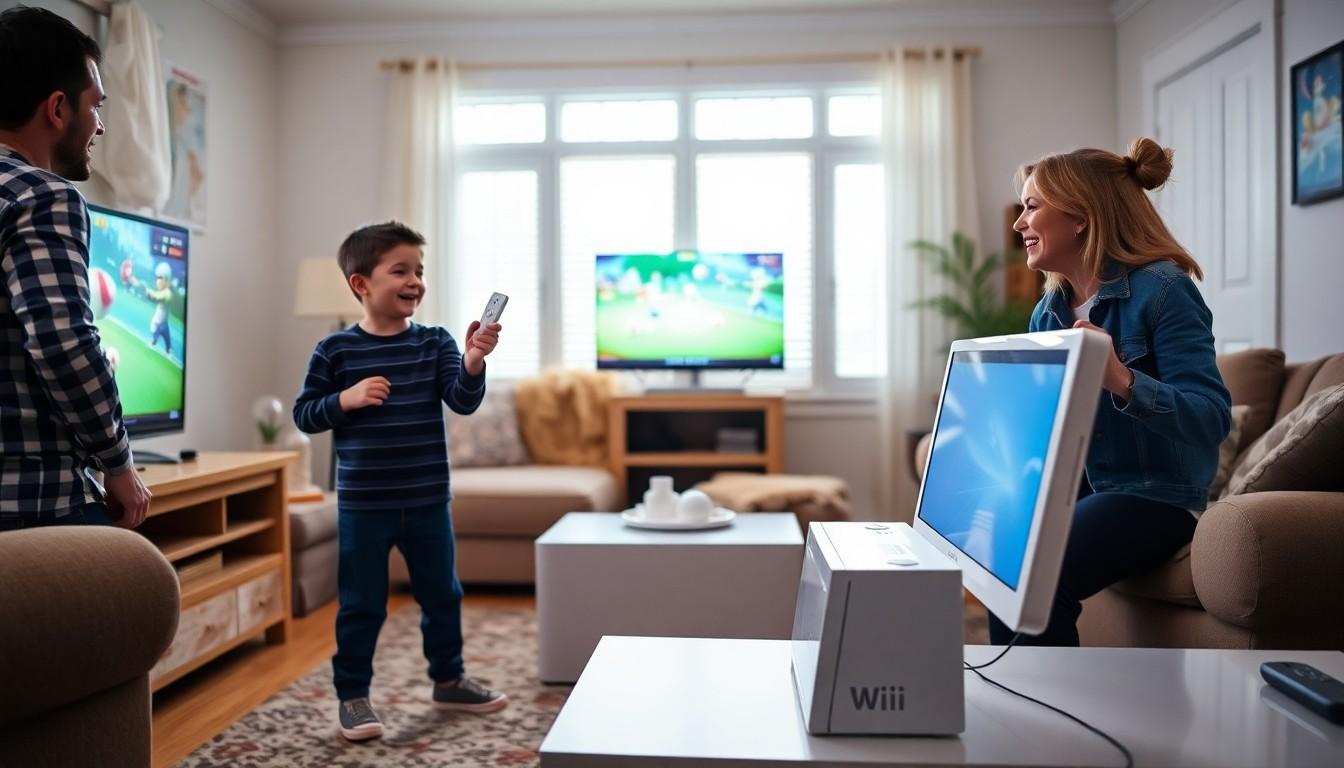
The Nintendo Wii console burst onto the gaming scene like a confetti cannon at a birthday party, leaving everyone wondering how they ever lived without it. With its innovative motion controls and family-friendly games, it transformed living rooms into arenas of friendly competition and laughter. Fast forward to today, and the excitement hasn’t faded; the Wii is making a comeback, and it’s time to dust off those controllers.
Overview of Nintendo Wii Console New
The Nintendo Wii console introduced a groundbreaking gaming experience with its unique motion-sensing technology. Many players enjoyed games that got them moving, appealing to families and casual gamers alike. Interactive titles like “Wii Sports” and “Mario Kart Wii” showcased this innovation, leading to widespread adoption.
Nintendo’s focus on inclusivity attracted a diverse audience. Gamers from various age groups found themselves engaged, as the console offered something for everyone. It emphasized social interaction through multiplayer functionalities, encouraging friendly competition and bonding.
Recent interest in the Nintendo Wii console reflects nostalgia and a desire for physical gaming experiences. Collectors and new players seek out the console for its unique library of titles. Hardware designs, including a compact footprint, allowed easy integration into home entertainment systems.
Performance metrics highlight the Wii’s impressive sales figures, with over 100 million units sold worldwide. Despite the onset of newer gaming technologies, the Wii’s appeal remains strong due to its distinctive approach and library of games. Current discussions in gaming communities underline the continued relevance of this console in modern gaming culture.
Game developers continue to acknowledge the impact of the Wii on the industry. Its success encouraged the exploration of motion-based controls across various platforms. As nostalgia for classic gaming resurfaces, the Nintendo Wii remains a treasured favorite within the gaming landscape.
Key Features

The Nintendo Wii console stands out with its distinctive features that continue to attract gamers. Specific elements contribute to its lasting popularity.
Design and Aesthetics
The console presents a sleek, minimalistic design, easily fitting in various entertainment setups. Its white casing allows it to blend seamlessly with other devices. A compact size makes it convenient for storage and placement. Included with the console are motion-sensing controllers, which enhance the interactive gaming experience. Unique aesthetics such as the illuminated power button not only improve functionality but also add visual appeal.
Hardware Specifications
Equipped with a PowerPC-based CPU, the Wii demonstrates effective performance suited for its gaming library. It operates at a clock speed of 729 MHz, which supports smooth gameplay experiences. Wii offers 512 MB of internal memory, expandable via SD cards for additional storage. Its graphics processing capabilities render visuals at up to 480p resolution, ensuring captivating graphics. Additionally, the wireless connectivity feature simplifies multiplayer gaming by reducing cable clutter.
Game Library
The Wii boasts an extensive library exceeding 1,500 titles, catering to diverse gaming preferences. Popular games include “Wii Sports,” “Super Mario Galaxy,” and “The Legend of Zelda: Skyward Sword.” Both family-friendly and hardcore titles create an inclusive environment that appeals to all types of players. Original content and retro classics enhance the collection, providing nostalgia while introducing fresh gameplay styles. Game developers continue to recognize the Wii’s potential, leading to ongoing discussions about remastered titles.
Performance and User Experience
The Nintendo Wii console delivers a unique gaming experience. It combines engaging gameplay with impressive graphics and sound quality, appealing to a broad audience.
Graphics and Sound Quality
Graphics quality of the Wii impresses despite its age. Titles like “Super Mario Galaxy” showcase colorful visuals and vibrant artwork. Resolution capabilities reach 480p, enhancing gameplay with clearer images. Sound quality features Dolby Pro Logic II, delivering immersive audio effects. These elements combined create an engaging atmosphere that captivates players and encourages longer gaming sessions.
Motion Control Capabilities
Motion control technology defines the Wii’s gaming experience. Players interact with games using the Wii Remote, mimicking actual movements. This innovative system facilitates games like “Wii Sports,” which require physical activity and coordination. The console accurately detects player movements, translating them into on-screen actions. Gamers appreciate this intuitive control scheme, as it enhances engagement and social interaction during gameplay.
Comparison with Previous Models
The Nintendo Wii console introduced several advancements when compared to its predecessors. Enhanced motion control capabilities distinguish it from earlier models, making gameplay more immersive. Original Wii motion sensors empowered players to physically interact with games, setting a new standard in gaming experiences.
Graphics quality also saw notable improvements with the Wii. While previous consoles featured basic visuals, the Wii reached a maximum resolution of 480p. Colorful graphics, especially in titles like “Super Mario Galaxy,” provided engaging environments that captivated players and families alike.
In terms of design, the Wii adopted a minimalistic aesthetic that contrasted sharply with bulkier devices. Sleek form factors made it easier to integrate into home entertainment setups and attracted a broader audience. Families found the Wii’s appealing look fit their living spaces seamlessly.
An extensive game library included over 1,500 titles, ensuring diverse options for all players. Innovative games, such as “Wii Sports,” delivered accessible gameplay that appealed to casual gamers, unlike previous consoles focused primarily on hardcore gaming segments. Collectibility also emerged, with many fans eagerly revisiting nostalgic titles.
Users experienced enhanced sound quality through Dolby Pro Logic II, elevating audio effects compared to earlier models. This auditory experience complemented visual improvements, creating a holistic gaming experience.
The introduction of online connectivity shifted social dynamics in gaming, offering multiplayer features that were absent in previous iterations. Communities formed online, allowing players to connect and compete, fostering engagement that redefined social gaming. Overall, its distinctive features and innovations positioned the Wii as a game changer, influencing future gaming designs and technologies.
Impact on Gaming Culture
The Nintendo Wii significantly transformed gaming culture through its innovative approach. Motion controls revolutionized how players interacted with games, making gaming more accessible and engaging for a broader audience. Families embraced titles like “Wii Sports” and “Mario Kart Wii,” which emphasized social interaction and friendly competition. As a result, gaming sessions became genuine social events rather than solitary experiences.
Nostalgia plays a critical role in the Wii’s ongoing popularity. It attracts players seeking the physical engagement that modern consoles often overlook. Collectors actively pursue the unique library of over 1,500 titles that define the Wii experience, showcasing its eclectic mix. Designers and developers acknowledge the Wii’s influence on the evolution of gaming, particularly in motion-based controls that stress physical activity.
Moreover, the console’s minimalistic design integrates well into any entertainment setup, enhancing its appeal. Current discussions in gaming communities highlight the continued relevance of the Wii, as many revisit its captivating gameplay. Engaging titles deliver impressive graphics with resolution capabilities reaching 480p, elevating the overall user experience.
Social gaming dynamics underwent a transformation due to the Wii’s innovations. Characters in games interact through intuitive motion controls, facilitating cooperation and competition among players. Sound quality, enhanced by Dolby Pro Logic II, adds to the immersion that the console offers. Features like the robust game library and advancements in graphics quality position the Wii within the broader narrative of gaming history, influencing future designs and technologies.
The cultural impact of the Wii remains evident today as it invites both new players and nostalgic fans into its gaming ecosystem.
Conclusion
The Nintendo Wii console continues to resonate with gamers old and new. Its unique blend of motion controls and engaging titles fosters a sense of community and fun that’s hard to replicate. As nostalgia drives renewed interest, players are rediscovering the joy of physical gaming experiences that the Wii so effectively delivers.
With its extensive library and innovative gameplay mechanics, the Wii remains a beloved choice for family gatherings and casual gaming sessions. Its legacy in shaping gaming culture is undeniable, making it a timeless option for those seeking both interaction and entertainment. The Wii’s impact persists, inviting everyone to experience the magic it offers once again.