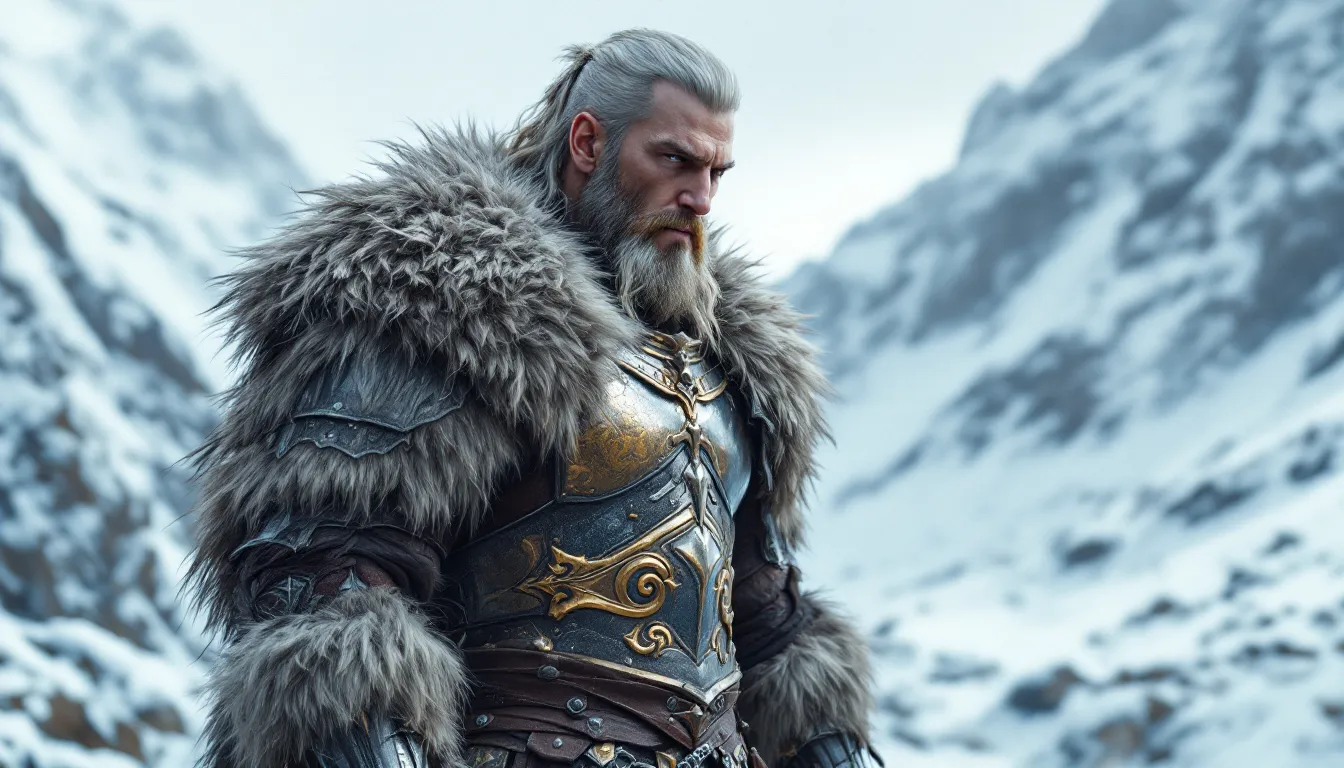
The moment you step into Skyrim as a Nord, you’re not just picking a race, you’re embracing centuries of warrior tradition, frost-hardened survival, and a legacy that runs deeper than any dungeon in Tamriel. Nords are the heart and soul of Skyrim, the native sons and daughters of the frozen north who’ve carved out an existence in one of the harshest environments on the continent. Whether you’re drawn to their raw combat prowess, their resistance to the icy climate, or the sheer roleplay potential of playing as Skyrim’s indigenous people, understanding what makes Nords tick will transform your playthrough from generic adventurer to authentic dragonborn legend. This guide breaks down everything from racial abilities and optimal builds to questline synergies and the cultural nuances that make Nord characters so compelling.
Table of Contents
ToggleKey Takeaways
- Nord Skyrim offers rich cultural depth and warrior tradition that transforms your playthrough into an authentic character journey rather than generic gameplay.
- The +10 starting bonus in Two-Handed combat and 50% frost resistance make Nords the strongest choice for melee-focused warriors and legendary difficulty playthroughs.
- Nord characters experience enhanced narrative resonance in the Civil War, Dragonborn, and Companions questlines due to direct cultural and historical connections.
- Battle Cry, your Nord racial power, provides tactical crowd control by causing enemies to flee for 30 seconds, particularly valuable for managing overwhelming early-game encounters.
- Playing an authentic Nord requires embracing the warrior code, prioritizing honorable direct combat over stealth, and choosing your political allegiance based on character beliefs rather than quest rewards.
- Nords lack starting magic bonuses and stealth support, making them less ideal for mage or thief builds compared to races like High Elf or Khajiit.
Who Are the Nords in Skyrim?
Nords aren’t just another race option in the character creator, they’re the cultural backbone of Skyrim itself. These towering warriors define the province’s identity, from its mead halls to its civil war.
Origins and Historical Background
Nords trace their ancestry back to the continent of Atmora, a frozen wasteland far to the north of Tamriel. According to lore established across The Elder Scrolls series, the legendary hero Ysgramor led the first major migration of Atmorans to Skyrim during the Merethic Era, over 5,000 years before the events of Skyrim. This wasn’t just exploration, it was conquest. Ysgramor’s Five Hundred Companions waged a brutal campaign against the native Snow Elves (Falmer) after the infamous “Night of Tears,” where elven forces massacred the human settlement of Saarthal.
This historical grudge against elves runs deep in Nord culture, explaining the racial tensions you’ll encounter throughout the game. The Nords eventually drove the Snow Elves to near-extinction, forcing survivors underground where they devolved into the blind, hostile Falmer players encounter in dungeons. Skyrim became the Nord homeland, and they’ve defended it fiercely ever since, against elven invasions, dragon cults, and now the Aldmeri Dominion’s cultural imperialism.
The Nords established the First Empire of Men under the leadership of King Harald, and their influence spread across Tamriel. They founded the order of the Greybeards on High Hrothgar, mastered the Thu’um (dragon shouts), and produced some of history’s greatest warriors and heroes. By the Fourth Era (when Skyrim takes place), Nords have seen their empire diminish but their warrior spirit remains unbroken.
Cultural Identity and Traditions
Nord culture revolves around three core pillars: martial prowess, honor, and Talos worship. Walk into any Nord settlement and you’ll find mead flowing, battle stories being traded, and weapons being sharpened. The Companions in Whiterun represent the pinnacle of Nord warrior tradition, a guild of honor-bound fighters who trace their lineage directly back to Ysgramor’s Five Hundred.
Sovngarde, the Nord afterlife, isn’t guaranteed to everyone. Only those who die honorably in battle earn their place at Shor’s table in the Hall of Valor. This belief shapes Nord behavior profoundly, cowardice is the ultimate shame, and a glorious death in combat is the ultimate achievement. You’ll hear this philosophy echoed by Nord NPCs throughout your travels, from Hold Guards to jarls.
The worship of Talos (Tiber Septim) presents a major cultural flashpoint. The White-Gold Concordat, the treaty that ended the Great War with the Aldmeri Dominion, banned Talos worship, calling him a false god. For Nords, this isn’t just religious persecution: it’s an attack on their identity. Talos was a Nord who achieved godhood and founded the Third Empire. The ban directly fuels the civil war between the Empire-loyal Legion and Ulfric Stormcloak’s rebellion, offering players from the modding community countless hours of questline content and philosophical debates about independence versus unity.
Nords value clan loyalty and lineage highly. Family names carry weight, and blood feuds can span generations. They’re also surprisingly egalitarian about gender, Nord women fight alongside men without controversy, and several jarls are female. The culture emphasizes actions over words: a Nord proves their worth through deeds, not speeches.
Nord Racial Abilities and Combat Strengths
Every race in Skyrim comes with passive abilities and a racial power. For Nords, these abilities lean heavily into their warrior archetype and environmental adaptation. Understanding these mechanics helps you maximize your character’s potential from level 1 onward.
Battle Cry: Your Ultimate Crowd Control Tool
Battle Cry is the Nord racial power, a once-per-day ability that causes all enemies within a short radius to flee for 30 seconds. This isn’t just flavor text: it’s a legitimate tactical tool for managing overwhelming encounters. When you’re surrounded by draugr in a Nordic ruin or facing down multiple bandits, activating Battle Cry gives you breathing room to heal, reposition, or focus down individual targets.
The ability works on all enemy types up to level 99, though obviously higher-level enemies resist its effects more reliably. It’s particularly effective in early-game scenarios when your equipment and skill levels haven’t caught up to enemy difficulty. The 30-second duration is generous, plenty of time to eliminate scattered opponents or make a strategic retreat.
One underutilized tactic: use Battle Cry to separate dangerous enemies from their support. If you’re facing a powerful mage with melee guards, fear effects scatter the group, letting you deal with threats individually rather than simultaneously. The cooldown resets after 24 in-game hours, so most players will have access to it for major dungeon encounters.
Frost Resistance and Environmental Advantages
Nords possess 50% resistance to Frost damage, a permanent, passive ability that never turns off. In Skyrim’s frozen landscape, this translates to real survivability benefits. Frost magic is common among enemy mages, particularly Destruction-focused opponents and dragon priests. Ice Wraiths, Ice Mages, and Frost Dragons all deal significantly reduced damage to Nord characters.
The resistance affects both magical frost attacks and frost-enchanted weapons. When fighting enemies wielding frost-enchanted gear, you’ll notice your stamina bar drains slower than other races would experience (frost damage normally depletes stamina alongside health). This keeps you swinging your weapon longer in prolonged melee engagements.
That said, frost resistance has diminishing returns in late-game builds. Once you acquire enchanted gear, potions, and racial passives from skill trees, you can easily cap elemental resistances at 85% (the game’s maximum). Still, having 50% baked in from character creation means you can focus your enchantments and gear on other resistances like magic or fire, giving you more balanced defenses overall.
Starting Skill Bonuses Explained
Nords begin the game with specific skill bonuses that nudge them toward particular playstyles:
- Two-Handed: +10
- Block: +5
- One-Handed: +5
- Smithing: +5
- Light Armor: +5
- Speech: +5
The +10 to Two-Handed is significant, it’s the highest starting bonus for any combat skill among all races. This means Nord characters start closer to unlocking useful Two-Handed perks, deal slightly more damage with greatswords and battleaxes from the beginning, and level that skill faster initially due to the head start.
The +5 bonuses to Block, One-Handed, and Light Armor create natural synergy for several build archetypes. You can pivot toward a mobile skirmisher using one-handed weapons and light armor, or lean into the sword-and-board tank playstyle with shields. The Smithing bonus helps you craft and improve equipment earlier, while Speech makes bartering slightly more favorable and certain dialogue checks easier.
Compared to other races, Nords lack starting bonuses in magic schools. If you’re planning a pure mage build, races like Breton or High Elf start with inherent advantages. But for physical damage dealers, which aligns with Nord cultural identity, these starting skills provide a solid foundation.
Best Character Builds for Nord Players
Nord racial abilities and starting skills point toward specific build archetypes, but Skyrim’s flexible system lets you develop any character in almost any direction. That said, some builds synergize particularly well with Nord strengths, both mechanically and thematically.
The Two-Handed Warrior Build
This is the quintessential Nord build, the frost-hardened barbarian who cleaves through enemies with a massive battleaxe or greatsword. Your +10 starting bonus in Two-Handed gives you an immediate advantage, and the playstyle aligns perfectly with Nord cultural identity.
Core Skills:
- Two-Handed (primary): Focus on the Champion’s Stance perk for increased power attack damage, and Sweep for hitting multiple enemies
- Heavy Armor: Maximum damage mitigation: Nord warriors don’t dodge, they endure
- Smithing: Craft Orcish, then Ebony, then Daedric armor and weapons
- Enchanting: Add frost damage to weapons for thematic consistency, or stamina regeneration to fuel power attacks
Standing Stone: The Warrior Stone early game for 20% faster combat skill leveling, then switch to Lord Stone for increased damage resistance once your combat skills are developed.
Shouts to prioritize: Elemental Fury (massive attack speed boost for unenchanted weapons), Marked for Death (armor penetration for tough enemies), and Unrelenting Force for crowd control.
The beauty of this build is its simplicity. You’re not juggling spell rotations or positioning for sneak attacks. You’re walking into combat, shouting your enemies into submission, and bringing down devastating two-handed strikes. The Battle Cry racial power synergizes perfectly, scatter enemies, then chase them down individually with your superior mobility.
The Sword and Shield Tank Build
If you prefer tactical defense over raw offense, the sword-and-shield Nord channels the disciplined warrior rather than the berserker. Your starting bonuses in Block and One-Handed support this approach immediately.
Core Skills:
- Block (primary): Invest in Shield Wall, Quick Reflexes (slow-time blocking), and Shield Charge for mobility
- One-Handed: Focus on Armsman perks for straight damage increases: maces ignore armor percentage
- Heavy Armor: Invest in Conditioning to eliminate armor weight penalties, enabling better stamina management
- Restoration: Healing spells keep you in the fight: you’re the party tank in group scenarios
Playstyle: This build excels in defensive play and endurance. You’re blocking incoming attacks, staggering enemies with shield bashes, and counterattacking during openings. The Shield Charge perk lets you sprint with your shield raised and knock down enemies, creating offensive opportunities from defensive positioning. Many players find content on character building strategies when optimizing this archetype.
Gear focus: Prioritize stamina and stamina regeneration. Blocking consumes stamina, so you need a deep pool and quick recovery. Enchant your shield with magic resistance or elemental resistance depending on what you’re facing.
The Stormcloak Berserker Build
This hybrid build embraces Nord nationalism and the berserker warrior tradition. It combines two-handed melee with light armor for a high-risk, high-reward aggressive playstyle.
Core Skills:
- Two-Handed (primary)
- Light Armor: Wind Walker perk for increased stamina regeneration while wearing light armor
- Archery (secondary): Longbows for initiating combat before closing to melee range
- Alchemy: Craft damage potions, stamina potions, and resist potions: berserkers prepare before battle
Philosophy: You’re sacrificing the heavy armor tank approach for increased mobility and stamina regeneration. Light armor’s perks support a more aggressive, mobile combat style, dodging heavy attacks rather than face-tanking them, closing distance quickly, and maintaining offensive pressure.
Thematic elements: Join the Stormcloaks in the civil war questline, wear Stormcloak officer armor (enchant it yourself for better stats), and roleplay as Ulfric’s champion. This build works especially well for players who want to lean into the political and cultural aspects of being a Nord during Skyrim’s turbulent Fourth Era.
Playing a Nord in Skyrim’s Main Questlines
Race choice in Skyrim doesn’t lock you out of any questlines, but being a Nord adds layers of narrative resonance to several major storylines. The game’s writers clearly designed certain quest arcs with Nord characters in mind.
Nords in the Civil War Storyline
The civil war questline puts you at the center of Skyrim’s defining conflict: independence versus Imperial unity. As a Nord, this isn’t an abstract political question, it’s about your homeland’s future. The unique dialogue options available to Nord characters in civil war quests underscore this personal investment.
Stormcloak perspective: Ulfric Stormcloak’s rebellion appeals to Nord identity and sovereignty. The Empire signed away Talos worship to appease the Thalmor, banned a Nord god, and expects Skyrim to remain loyal even though this betrayal. Many Nord NPCs view the Stormcloak cause as a fight for cultural survival against foreign domination. Joining the Stormcloaks as a Nord feels narratively cohesive, you’re fighting alongside your kinsmen for your people’s self-determination.
Imperial perspective: Conversely, Nord characters can recognize that a divided Skyrim weakens humanity against the Aldmeri Dominion. General Tullius and Imperial supporters argue that independence is suicide, the Empire needs unity to survive the inevitable next war with the Thalmor. Playing a Nord who sides with the Empire creates interesting roleplay tension: you’re putting practical survival above cultural pride, accepting that sometimes the greater good requires compromise.
Several civil war NPCs acknowledge your race directly in dialogue. Nord player characters receive different responses than Altmer or Dunmer characters when discussing the conflict. Some Stormcloak soldiers express immediate camaraderie with Nord players, while Imperial officers may question your loyalty more heavily.
The Dragonborn Prophecy and Nord Heritage
The main questline revolves around the return of dragons and your role as the Dragonborn, a mortal blessed with the soul of a dragon, capable of absorbing dragon souls and wielding the Thu’um naturally. While any race can be the Dragonborn, the prophecy and tradition are deeply rooted in Nord culture.
Historical connection: The ancient Nords were the first humans to master the Thu’um, learning it from Paarthurnax atop the Throat of the World. They used dragon shouts to overthrow their dragon overlords during the Dragon War. The Tongues, Nord masters of the Voice, were legendary warriors whose shouts could shatter armies. Playing as a Nord Dragonborn connects you directly to this heritage.
NPCs frequently reference the connection between Nords and the Thu’um. The Greybeards explicitly practice the Nord tradition of worshiping Kynareth and using the Voice for meditation rather than warfare. When you climb the 7,000 steps to High Hrothgar as a Nord character, you’re walking the same path countless Nord pilgrims have walked for millennia.
The final confrontation with Alduin in Sovngarde takes on additional weight as a Nord. You’re not just saving Tamriel, you’re defending the Nord afterlife from a creature that would devour it. Fighting alongside the ancient Nord heroes in the Hall of Valor feels like coming home, not visiting a foreign realm.
Companions Questline: A Natural Fit for Nords
The Companions in Whiterun are Skyrim’s warrior guild, directly descended from Ysgramor’s Five Hundred Companions. Their headquarters, Jorrvaskr, is literally built from one of Ysgramor’s longships. For Nord players, joining the Companions isn’t just about quest rewards, it’s about claiming your cultural birthright.
The questline explores Nord values in depth: honor, glory, the warrior ethos, and the tension between tradition and corruption (represented by the werewolf curse). When Vilkas or Aela talk about honor and the glory of battle, those aren’t empty words for a Nord character, they’re the values you were raised with.
Several Companions are Nords themselves (Vilkas, Farkas, Skjor), and the group’s structure reflects Nord clan organization. The Circle functions as an inner leadership group, similar to a jarl’s inner council. Players interested in RPG character development often cite the Companions questline as exemplary worldbuilding that ties race, culture, and gameplay together seamlessly.
Becoming a werewolf through the Companions creates interesting roleplay opportunities. Some Nord characters might embrace it as a gift of strength, while others might see it as a curse that prevents entry to Sovngarde (which the game confirms, werewolves go to Hircine’s hunting grounds instead). Curing yourself of lycanthropy becomes a quest about reclaiming your Nord spiritual identity.
Notable Nord Characters and Factions
Skyrim’s cast includes dozens of memorable Nord NPCs who embody different aspects of the culture. Understanding these characters enriches your playthrough and provides roleplay inspiration.
Ulfric Stormcloak and the Rebellion
Ulfric Stormcloak, Jarl of Windhelm and leader of the rebellion, is the most controversial Nord in the game. He killed High King Torygg using the Thu’um, an act that some view as honorable single combat and others view as murder. His motivations are complex, genuine Nord nationalism mixed with personal ambition and trauma from his capture during the Great War.
Ulfric is a Greybeard dropout. He trained in the Way of the Voice on High Hrothgar but abandoned the pacifist philosophy when the Great War broke out. He uses the Thu’um as a weapon, which the Greybeards consider blasphemy. This background makes him both powerful (he’s one of the few non-Dragonborn mortals who can shout) and ideologically compromised (he broke his oaths to pursue worldly power).
His court in Windhelm showcases Nord culture at its best and worst. You’ll find strong warrior traditions, fierce independence, and Nord pride. You’ll also encounter the systematic discrimination against Dunmer refugees in the Gray Quarter and the underlying racism that taints Stormcloak nationalism. Ulfric represents the complexity of Nord identity, he’s neither simple hero nor villain.
The Companions and Jorrvaskr
Kodlak Whitemane, the Harbinger of the Companions, embodies the reflective warrior philosopher. Unlike the younger members who revel in combat, Kodlak questions the werewolf curse and seeks to restore the Companions to pure honor. His death and subsequent quest to free his soul from Hircine’s realm form the emotional core of the Companions storyline.
The twin brothers Vilkas and Farkas represent different warrior archetypes: Vilkas is the tactical, intellectual fighter who values honor above all, while Farkas is the straightforward, good-natured warrior who lives for the simple joy of combat. Both are werewolves and members of the Circle.
Aela the Huntress is the most enthusiastic about lycanthropy, viewing it as a gift rather than a curse. She’s the master trainer for Archery and represents the hunter tradition within Nord culture. If you want to remain a werewolf permanently, Aela is your ally.
The Companions’ questline culminates in retrieving Wuuthrad, Ysgramor’s legendary battleaxe, and cleansing his tomb of the ghosts that haunt it. Wielding Wuuthrad as a Nord character connects you directly to the first legendary Nord hero.
The Greybeards of High Hrothgar
The Greybeards preserve the ancient Nord tradition of the Way of the Voice, using the Thu’um for meditation and worship rather than warfare. They live in isolation atop the Throat of the World, dedicating their entire existence to mastering the Voice.
Arngeir serves as the Greybeards’ spokesman and your primary trainer in the Thu’um. He’s the only one who can speak without causing destruction, the others (Borri, Einarth, and Wulfgar) have voices so powerful that normal speech would level buildings. Their dedication represents Nord discipline and spirituality, often overlooked in favor of the culture’s more obvious warrior aspects.
Paarthurnax, the dragon who leads the Greybeards, has a complicated history with the Nords. He helped them overthrow Alduin during the Dragon War by teaching them the Thu’um, but he’s still a dragon, a creature that once enslaved humanity. The Blades demand you kill him, creating a moral dilemma that tests your character’s values. Many Nord players struggle with this choice, torn between gratitude for his aid and the historical Nord hatred of dragons.
Strategic Advantages and Disadvantages of Playing a Nord
Race choice impacts your Skyrim playthrough more in the early game than late game, but understanding the strategic implications helps you build more effectively and set appropriate expectations.
When to Choose a Nord Over Other Races
Nords excel in several scenarios:
New player-friendly: The starting bonuses in Two-Handed, One-Handed, and Block make Nords forgiving for players unfamiliar with Skyrim’s combat systems. Melee combat is straightforward, you don’t need to manage magicka pools or understand spell schools. The frost resistance provides passive survivability without requiring player input.
Warrior builds: If you’re planning any physical damage-focused build, Nord racial bonuses support that goal immediately. The +10 to Two-Handed is the largest single starting skill bonus for any weapon type among all races. For players committed to sword-and-board or greatsword playstyles, Nords start strongest.
Frost-heavy encounters: While niche, the 50% frost resistance makes certain encounters significantly easier. Fighting frost dragons, frost mages in dungeons, or exploring areas with ambient frost damage (certain Dwemer ruins have frost steam vents) becomes less threatening. In the Dragonborn DLC, several powerful enemies use frost magic extensively.
Roleplay immersion: For players who prioritize narrative and cultural immersion, Nords offer the deepest connection to Skyrim’s main storylines. The civil war, Dragonborn prophecy, and Companions questline all resonate more strongly when you’re a Nord. You’re not a foreign adventurer, you’re home, fighting for your people and your land.
Legendary difficulty: On higher difficulty settings where damage mitigation matters more, the frost resistance and combat-focused skill distribution help you survive the brutal early game before your gear and perks catch up.
Limitations and Weaknesses to Consider
No race is perfect for every playstyle, and Nords have specific weaknesses:
No magic bonuses: Nords start with zero bonuses to any magic school. If you’re planning a mage build, races like High Elf (+50 magicka), Breton (magic resistance + Conjuration bonus), or Dark Elf (Destruction bonus) start with significant advantages. You can absolutely play a Nord mage, Skyrim doesn’t restrict you, but you’ll have a slower start and less racial synergy.
Limited stealth support: While Nords get a +5 to Light Armor (useful for stealth builds), they lack bonuses to Sneak, Lockpicking, or Pickpocket. Races like Khajiit (+10 Sneak) or Wood Elf (+10 Sneak, +5 Lockpicking) start better positioned for thief or assassin playstyles. The Battle Cry power is nearly useless for stealth, causing enemies to flee alerts the entire dungeon.
Resistance redundancy: Frost is the least threatening element in Skyrim compared to fire or shock. Fire damage is more common among dragons and mages, while shock drains magicka (problematic for spellcasters). The frost resistance, while nice, addresses a less critical threat. By late game, most players cap all elemental resistances through enchantments anyway, making racial resistance obsolete.
Pigeonholed aesthetics: While not a mechanical disadvantage, Nord character appearance options trend toward pale skin, blonde/red hair, and rugged features. If you want a more exotic or diverse appearance, other races offer broader visual options. This matters more for players who value character customization aesthetics.
Speech bonus inefficiency: The +5 to Speech is perhaps the least valuable starting bonus in the game. Speech levels quickly through normal merchant interactions, and the early points provide minimal practical benefit. Other races offer more impactful starting bonuses in their six-skill distribution.
Roleplaying Tips for an Authentic Nord Experience
If you want to fully immerse yourself in playing a Nord beyond just the mechanics and quest choices, these roleplaying guidelines can deepen your experience:
Honor the warrior code: Nords value direct combat over sneaking. Avoid stealth kills when possible, confront enemies openly, announce your presence with Battle Cry, and fight face-to-face. Assassination through stealth contradicts the Nord emphasis on honorable combat. If you join the Dark Brotherhood as a Nord, you’re playing against type, which can be interesting as a “disgraced Nord” character concept.
Prioritize physical confrontation over magic: While Nords can learn magic, they culturally view it with some suspicion (except the Thu’um, which is sacred tradition). Restoration magic for healing is acceptable, even warriors need to patch wounds. But relying heavily on Destruction spells or Illusion magic feels less authentically Nord. The Thu’um is different: it’s your racial heritage, so use dragon shouts liberally and proudly.
Choose your civil war side deliberately: This is the defining political choice for a Nord character. Whichever side you choose, commit to the reasoning. A Stormcloak Nord fights for independence and cultural preservation. An Imperial Nord prioritizes unity against the Thalmor and recognizes that Skyrim alone can’t survive. Don’t just pick based on quest rewards, think about what your character would actually believe.
Visit mead halls and drink: Nord social life revolves around mead, storytelling, and companionship. Spend time in taverns like the Bannered Mare in Whiterun or Candlehearth Hall in Windhelm. Buy drinks, listen to bards, get into brawls. These activities aren’t just downtime, they’re authentic Nord culture.
Respect Talos and the divines: Most Nords worship the Nine Divines with particular reverence for Talos. Visit shrines, activate blessings before major quests, and react negatively to Thalmor presence. If you encounter Thalmor justiciars hunting Talos worshipers, intervene. Your Nord character would be personally offended by their presence.
Value reputation and clan ties: Nords care deeply about family and reputation. Take personal offense to insults (brawling is an acceptable response), help fellow Nords in need, and build relationships with jarls and their courts. Become thane in multiple holds, that’s a Nord aspiration, earning recognition and land through service.
Embrace the cold: Don’t fast-travel everywhere. Walk through Skyrim’s snowstorms and frozen tundra. Your frost resistance makes this less punishing mechanically, and it reinforces that you’re a son or daughter of this harsh land. Nords don’t fear the cold, they were born in it.
Pursue glory and worthy death: The Nord afterlife in Sovngarde is reserved for those who die honorably. Seek out challenging combat, take on difficult quests, and never flee from a worthy opponent (fleeing from overwhelming odds to regroup is tactical, not cowardly). Your goal isn’t just victory, it’s glorious victory that earns songs and stories.
These roleplaying elements obviously don’t affect game mechanics, but they transform your playthrough from button-mashing through quest markers into a genuine character journey. You’re not just playing Skyrim, you’re living as a Nord during the most turbulent period in the province’s recent history.
Conclusion
Playing as a Nord in Skyrim offers more than just solid combat stats and frost resistance, it’s about embodying the culture, history, and identity of Tamriel’s frozen north during its most defining crisis. Whether you’re cleaving through enemies with a battleaxe, defending the Stormcloak rebellion, or absorbing dragon souls as the prophesied Dragonborn, the Nord racial traits and cultural depth provide a foundation for some of the most thematically cohesive playthroughs possible. The starting skill bonuses push you toward warrior archetypes that align perfectly with the game’s major questlines, while the rich lore and NPC interactions add layers of meaning to your choices. New players will appreciate the straightforward, forgiving combat focus, while veterans can explore the nuanced roleplay possibilities of a people caught between tradition and survival. Skyrim is the Nord homeland, playing as one means you’re not just passing through: you’re fighting for something that matters on a personal and cultural level.